
In today’s digital-first world, enterprises face mounting challenges in managing IT infrastructure and cloud workloads. Organizations often operate across Multi-cloud and hybrid environments, juggling multiple monitoring tools, networks, servers, and applications. This complexity leads to inefficiencies, alert fatigue, and configuration drift, issues that slow teams, increase operational costs, and can even impact business continuity.
Enter the AI-powered IT operations assistant, a new breed of intelligent platform designed to simplify cloud management, enhance system reliability, and empower IT teams to focus on innovation rather than firefighting.
Achieving Operational Efficiency in the Cloud
Traditional IT operations are reactive and fragmented. Teams often spend hours investigating alerts, manually correlating data from different tools, or fixing recurring issues. This approach is not only time-consuming but also prone to errors, ultimately affecting uptime and business performance.
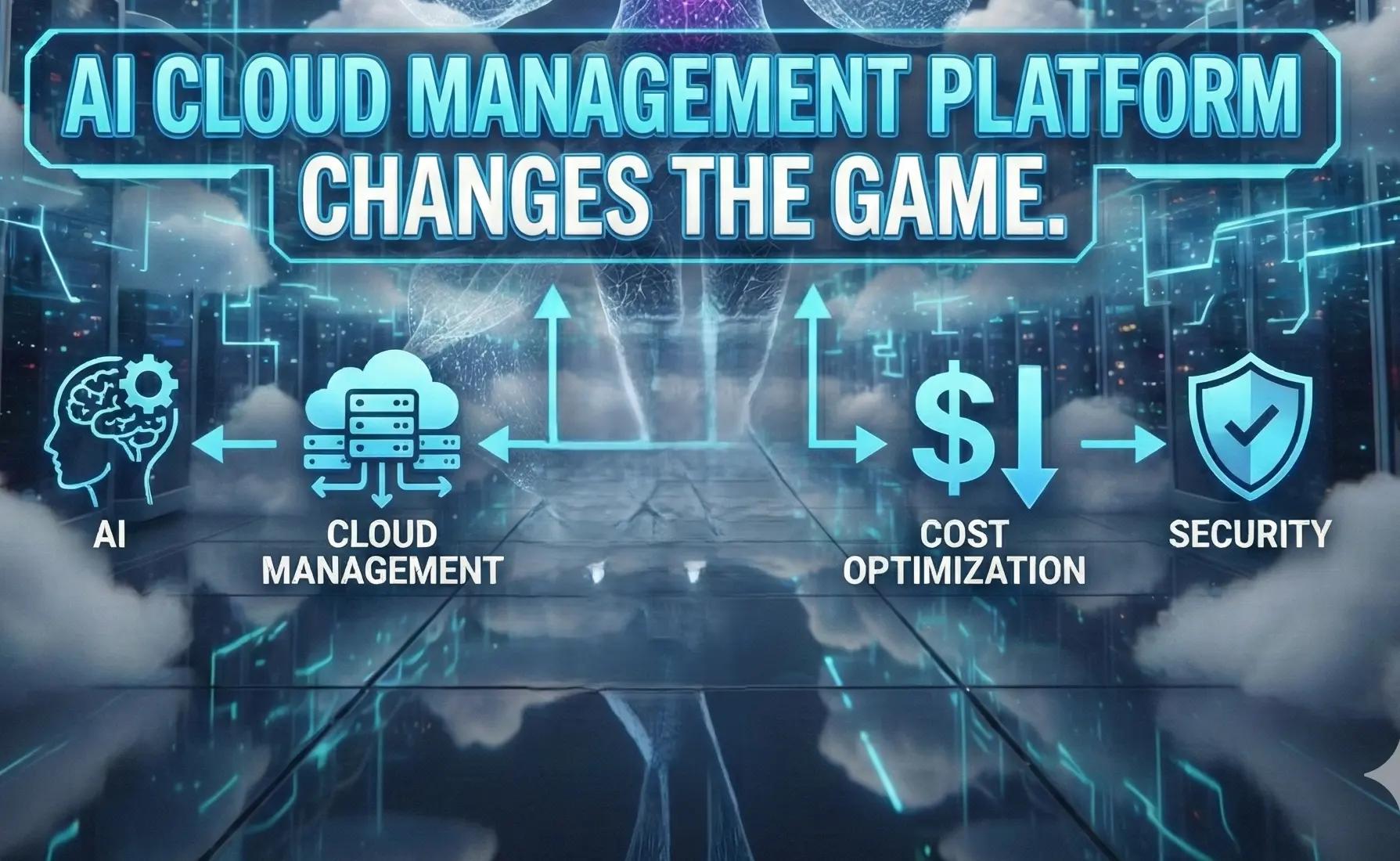
An AI cloud management platform changes the game. It acts as a virtual assistant for your infrastructure, constantly monitoring servers, network devices, and workloads. By combining autonomous monitoring, adaptive intelligence, and faster root-cause analysis, AI assistants can reduce operational overhead while improving uptime.
Platforms like Wanclouds AI, for example, allow organizations to create multiple AI assistants tailored to different workloads or environments. Whether it’s an on-premises data center, a public cloud, or hybrid workloads, each assistant can monitor, troubleshoot, and provide actionable insights specific to that segment of infrastructure.
Reduce Alert Fatigue with AI
Alert fatigue is one of the most significant pain points for IT teams today. Standard monitoring systems generate countless notifications, many of which are non-critical. This overwhelming flood of alerts can slow response times, stress engineers, and increase the likelihood of missing a critical event.
With AI-driven Multi-cloud automation, alerts are intelligently filtered and prioritized. The system distinguishes between minor anomalies and issues requiring immediate attention, enabling teams to focus on what truly matters. Routine problems can be automatically resolved before they escalate, drastically reducing alert fatigue and boosting overall operational efficiency in the cloud.
By reducing distractions, engineers can focus on more strategic initiatives, such as optimizing workloads, improving performance, and supporting business growth. The result is a proactive, rather than reactive, IT operations strategy.
Multi-Cloud AI Automation and Autonomous Cloud Infrastructure
Modern enterprises rarely rely on a single cloud provider. Many run workloads across AWS, Azure, GCP, IBM Cloud, or private data centers. Managing these diverse environments manually is resource-intensive and prone to errors.
An AI cloud management platform provides Multi-cloud AI automation, offering unified visibility across all environments. With intelligent assistants continuously monitoring systems, businesses gain the ability to:
- Detect and remediate issues automatically
- Perform root-cause analysis in real-time
- Track configuration drifts and compliance deviations
- Optimize workloads for cost and performance
The AI assistant also enables autonomous cloud infrastructure, meaning it can resolve routine problems, adapt to environmental changes, and maintain security and compliance, all with minimal human intervention. This creates a resilient and self-optimizing cloud ecosystem, allowing teams to scale operations confidently.
AI Automation for Hybrid Cloud Environments
Hybrid cloud environments, which combine on-premises and public cloud resources, present unique challenges. Maintaining consistent configurations, enforcing security policies, and ensuring compliance across platforms is often complicated and error-prone.
AI-powered solutions address these challenges with adaptive learning cloud AI. By keeping track of recent events and conversations, the system learns the specific patterns of your environment. It can detect subtle changes, assess risks, and provide proactive recommendations to prevent issues before they occur.
Engineers and executives can interact with the AI in natural language, whether via chat, email, or Slack, to:
- Diagnose operational issues
- Perform root-cause analysis (RCA)
- Monitor compliance and security risks
- Optimize infrastructure for efficiency
This flexibility empowers teams at all levels to make informed decisions faster and more effectively, improving operational efficiency in the cloud while reducing manual effort.
Seamless Tool Integration
For AI to be effective, it must integrate seamlessly with existing infrastructure and tools. Modern enterprises often rely on a variety of monitoring, logging, and management platforms, from AWS CloudWatch and Prometheus to Cisco, Splunk, and SolarWinds.
AI-powered IT assistants like Wanclouds AI offer flexible integration capabilities through APIs, direct device access, and existing management platforms. This ensures continuity without requiring a complete overhaul of existing IT processes. Organizations can leverage their current investments while benefiting from AI-driven insights and automation.
Key Benefits of an AI-Powered IT Operations Assistant
Implementing an AI-driven IT operations assistant delivers tangible benefits across the enterprise:
- Cut Costs by up to 50%: Reduce reliance on large support teams by automating routine operational tasks.
- Faster Issue Resolution: Detect and resolve problems before they escalate, improving uptime and reliability.
- Improve System Reliability: Strengthen infrastructure resilience and reduce unexpected downtime.
- Boost Team Productivity: Free engineers from repetitive work to focus on innovation and growth.
- Scale with Confidence: Adaptive AI grows with your infrastructure, ensuring consistent performance.
- Accelerate Digital Transformation: Simplify IT workflows and modernize operations for the future.
These benefits make AI not just a tool, but a strategic asset for enterprises looking to maximize efficiency while reducing risk.
Transforming Cloud Operations for the Modern Enterprise
The shift to AI-powered IT operations is more than a technological upgrade. It’s a transformation in how organizations manage infrastructure. By combining autonomous monitoring, Multi-cloud AI automation, and adaptive intelligence, enterprises can simplify management, reduce human error, and improve productivity across teams.
An AI-powered IT operations assistant empowers organizations to proactively optimize infrastructure, maintain compliance, and ensure security while freeing teams to focus on innovation. From multi-cloud deployments to hybrid environments, AI enables smarter, faster, and more reliable operations.
With the rise of autonomous cloud infrastructure and AI automation, organizations no longer need to react to alerts. They can prevent problems, enhance efficiency, and unlock true business value from their IT investments.
The future of IT operations is clear: intelligent, adaptive, and autonomous AI that simplifies cloud management, reduces operational overhead, and drives organizational growth.